Gallbladder Stone Removal(Laparoscopic Cholecystectomy)
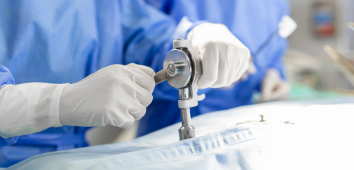
Gallbladder stones, or gallstones, are hardened deposits that form inside the gallbladder. When they cause pain, infection, or digestive issues, the gallbladder needs to be removed surgically.
Causes: They develop when bile contains too much cholesterol, bilirubin, or when the gallbladder doesn’t empty properly.
What happens: Stones block bile ducts, causing sharp abdominal pain, nausea, bloating, or even infection.
Symptoms: Severe pain in the upper right abdomen, nausea, vomiting, indigestion, and jaundice in severe cases.
Diagnosis: Ultrasound, blood tests, and imaging scans to detect stones and assess complications.
Treatment: Dr. Awadhesh Kumar performs laparoscopic cholecystectomy—minimally invasive surgery using small incisions and a camera to remove the gallbladder. This ensures faster recovery, less pain, and minimal scarring compared to open surgery.
Ureteral Stone & Urinary Bladder Stone Surgeries:
Stones can form in the urinary tract, either in the ureters or inside the bladder.
Causes: Dehydration, high calcium in urine, recurrent infections, or diet rich in oxalates and salts.
What happens: Stones obstruct urine flow, causing severe pain and risk of infection.
Symptoms: Pain in the lower abdomen, frequent urination, blood in urine, burning sensation while urinating.
Diagnosis: Ultrasound, CT scan, urinalysis, and X-rays.
Treatment: Dr. Awadhesh Kumar uses endoscopic or laser-assisted stone removal techniques to break or extract stones with minimal tissue damage.
Renal (Kidney) Stone Surgery:
Hard deposits of minerals and salts inside the kidney.
Causes: Inadequate hydration, dietary imbalance, certain medical conditions, or genetics.
What happens: Stones block kidney drainage, causing swelling and damage to kidney tissue.
Symptoms: Sharp back or flank pain, blood in urine, nausea, vomiting, fever (if infection develops).
Diagnosis: CT scan, ultrasound, urine analysis, and blood tests.
Treatment: Dr. Awadhesh Kumar uses laparoscopic or endoscopic procedures for removal. For large stones, laser fragmentation is performed.
More treatments
Hernia Surgeries
A hernia occurs when abdominal contents push through a weak spot in the abdominal wall, often in the groin.

Appendectomy
Surgical removal of the appendix, usually due to appendicitis.

Gynecological Surgeries
Surgical procedure to block or cut the fallopian tubes, preventing pregnancy.

Endoscopic and Laser Surgeries
Advanced surgeries using endoscopes and laser energy for precision treatment

Comprehensive Care
Full support before, during, and after surgery.

Copyright © All Rights Reserved by Dr Awadhesh Kumar.